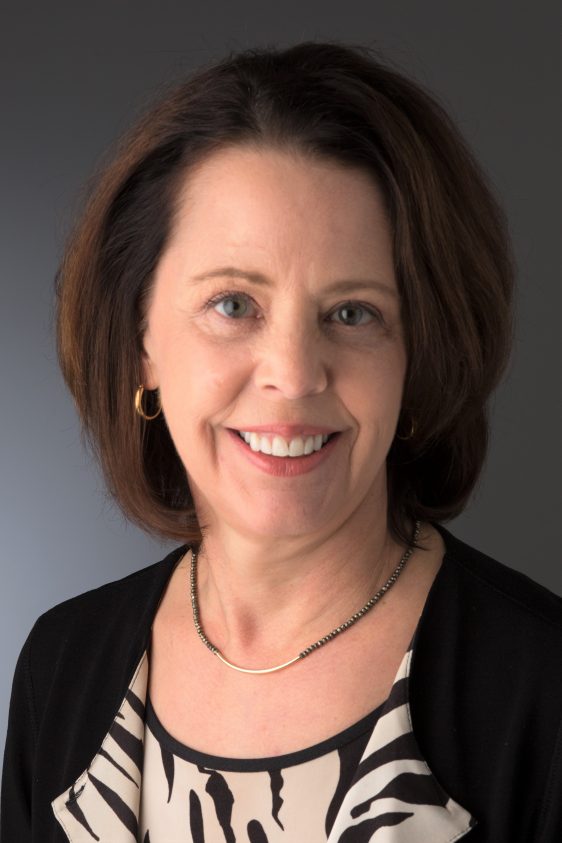
Diana Hess
About Diana Hess
Diana Hess is Dean Emerita of the School of Education at the University of Wisconsin-Madison and a leading scholar of civic and democratic education. Her research focuses on how teachers engage students in discussions of highly controversial political and constitutional issues, and what impact this approach has on what young people learn. She began her career as a high school social studies teacher in Illinois. Her book Controversy in the Classroom won the NCSS Exemplary Research Award, and The Political Classroom (co-authored with Paula McAvoy) won the AERA Outstanding Book Award and the Grawemeyer Award in Education.
Major Contributions
- Controversy in the Classroom: The Democratic Power of Discussion (2009): Landmark study on how discussion of controversial issues prepares students for democratic citizenship.
- The Political Classroom: Evidence and Ethics in Democratic Education (2015, with Paula McAvoy): Winner of the Grawemeyer Award, examining how political dynamics play out in classrooms.
- The Discussion Project: Founded this professional development program to help university faculty lead effective classroom discussions.
- Research on civic education and deliberation: Pioneered research on how discussing controversial political issues affects civic engagement.
- Democratic education ethics: Developed frameworks for ethically navigating political topics in educational settings.
Key Ideas
Controversial Issues Are Essential: Discussion of controversial political issues is not optional in democratic education — it is essential preparation for citizenship.
The Political Classroom: Classrooms are inherently political spaces, and teachers must learn to navigate this reality ethically.
Best Practice: Teachers should use structured discussion approaches that ensure all students can participate meaningfully.
Democratic Education: The goal of civic education should be preparing students for democratic participation, not political neutrality.
Evidence and Ethics: Teachers need both evidence-based strategies and ethical frameworks for handling controversial topics.
“The primary purpose of education in a democracy is to prepare students to participate in democratic life. That means teaching them how to talk about things they disagree about.”
Selected Publications
View on Google ScholarSuggested Reading
Support Our Research
Help us continue providing high-quality resources for educators worldwide.
Contact Us