Chile in the Cold War
Lesson Overview
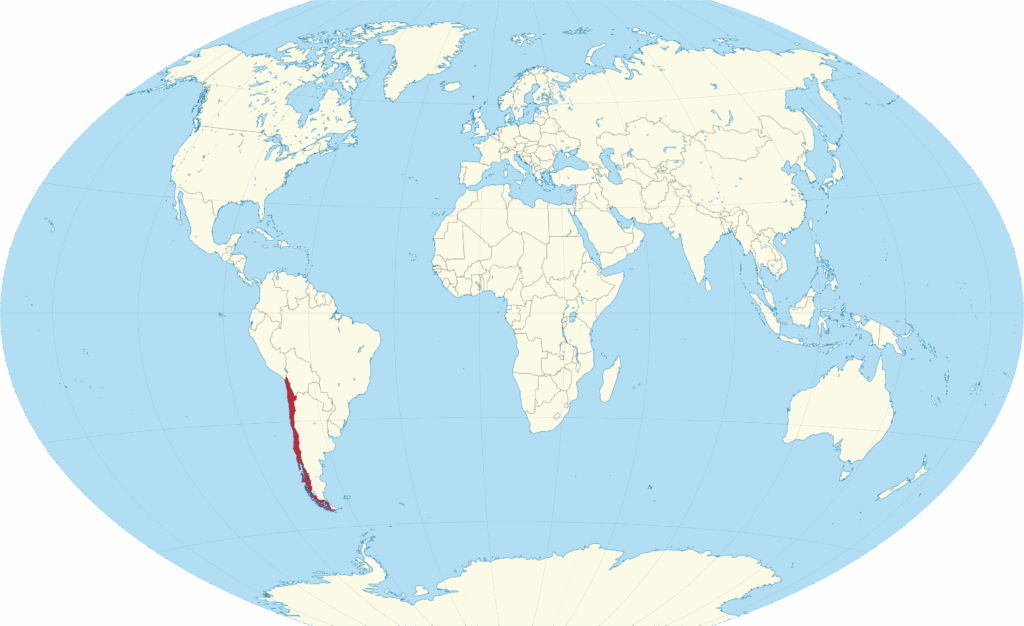
Objectives: Students will analyze the 1973 Chilean coup through multiple historical lenses, identifying how political interests shape different narratives of the same event.
How do power, perspective, and political interests shape the way history is told?
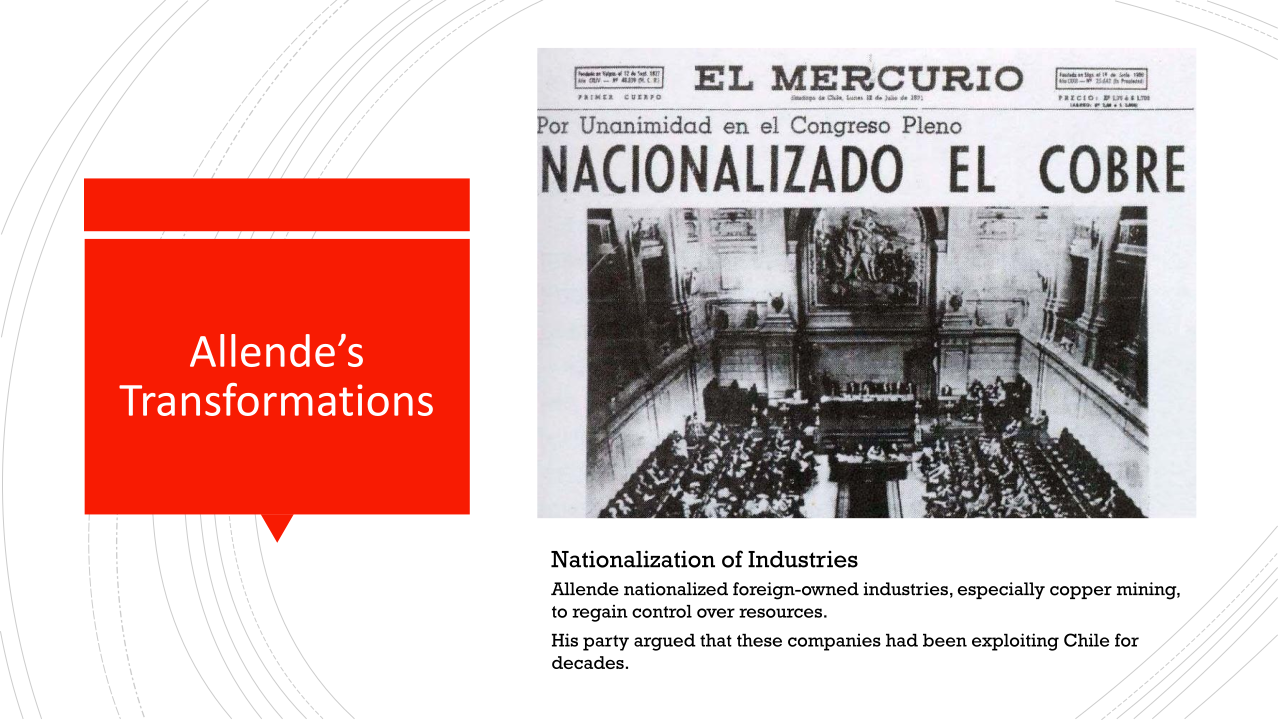
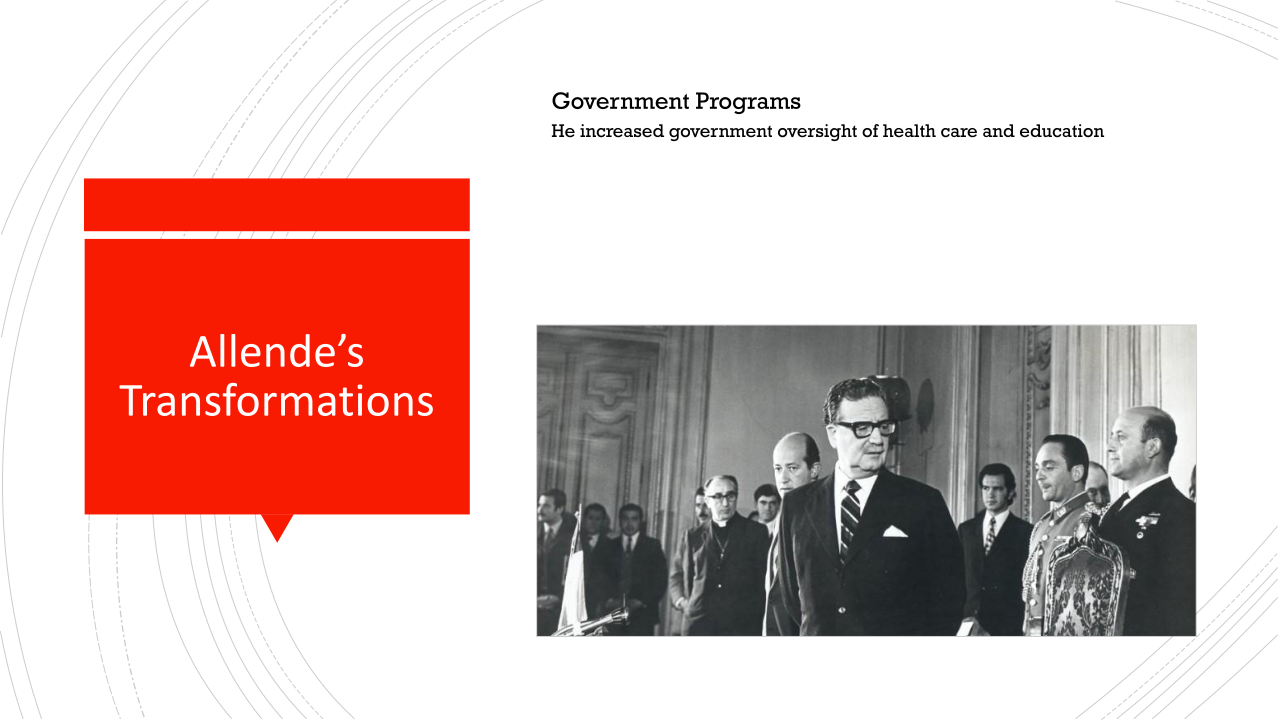
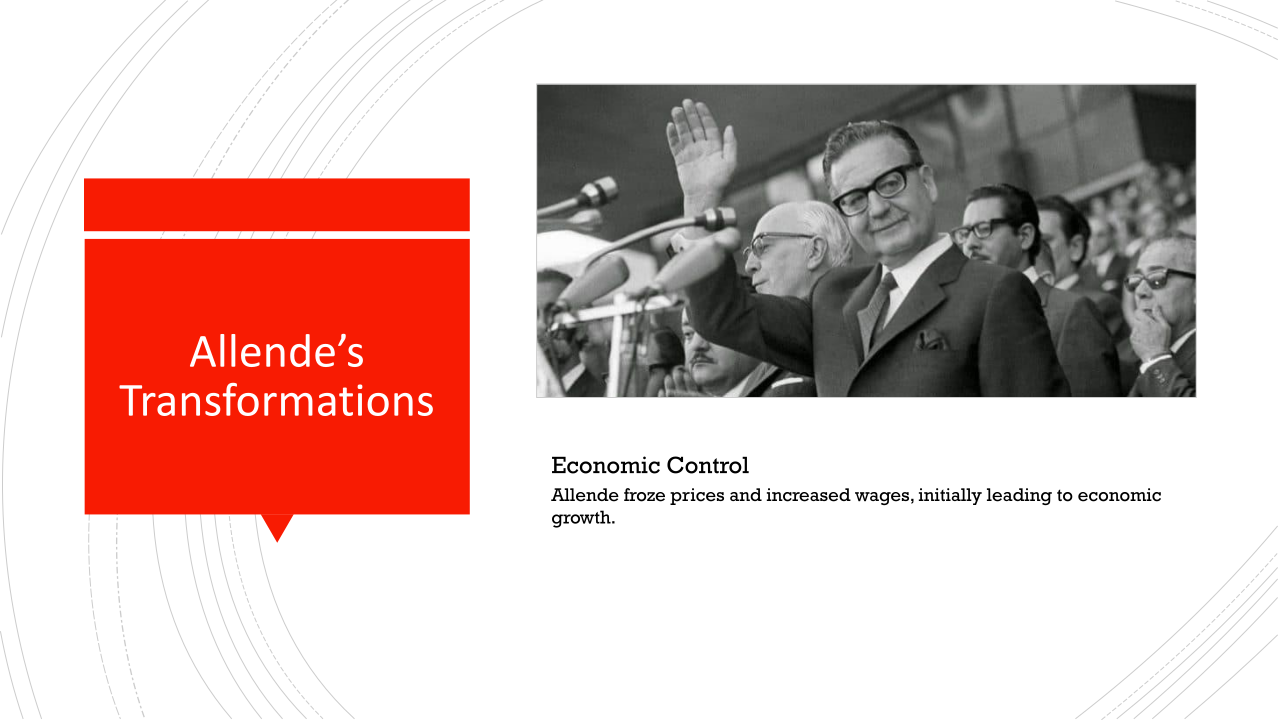
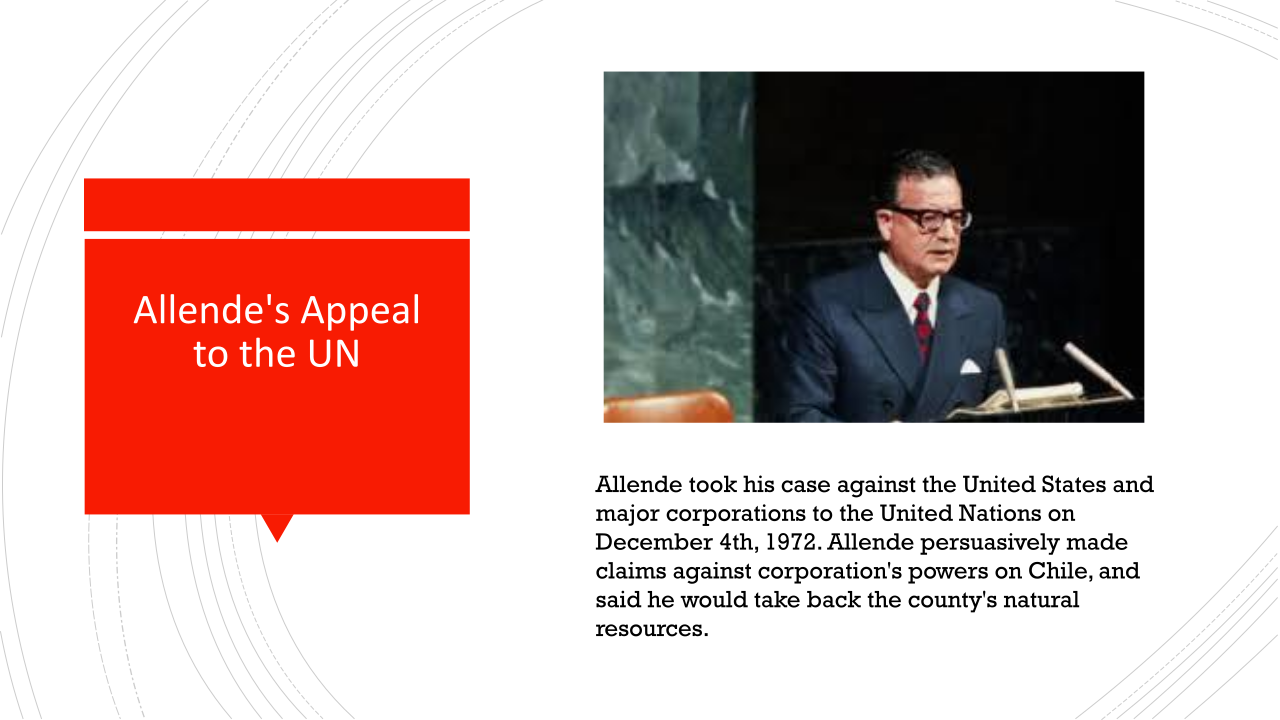
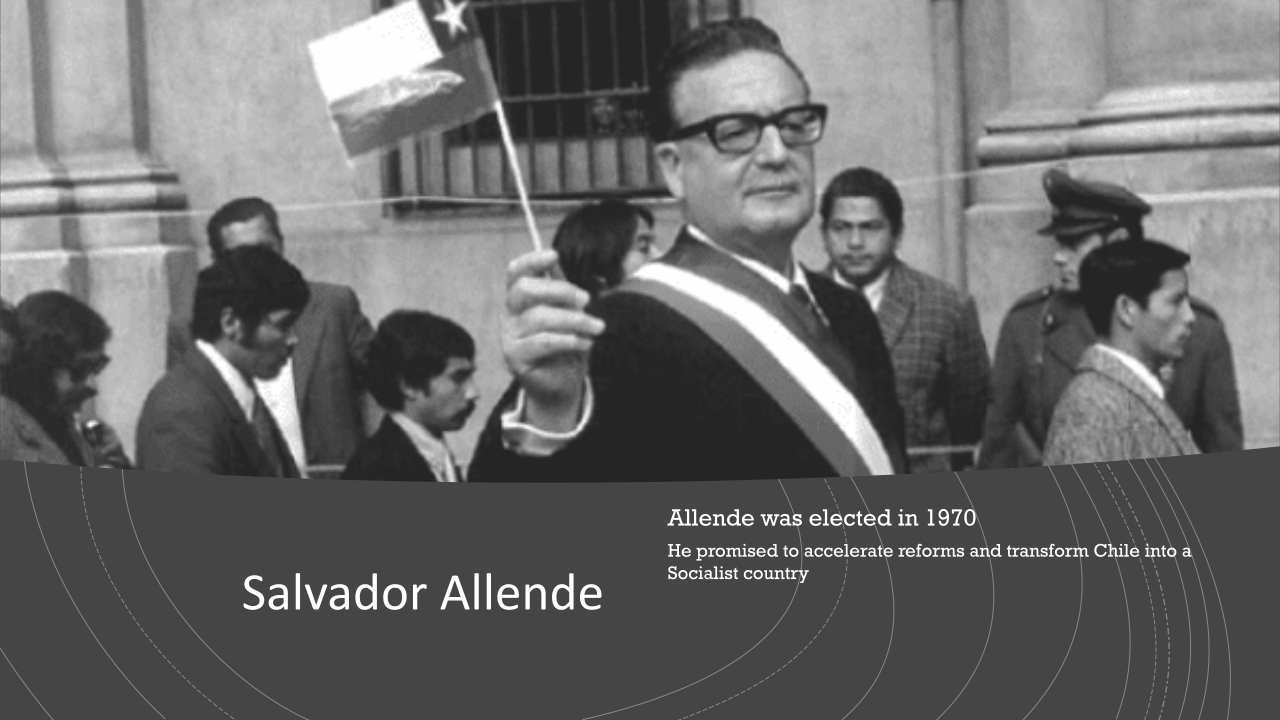
Context: In 1970, Chile elected Salvador Allende, the first Marxist to become president of a Latin American country through open elections. His presidency and the subsequent 1973 military coup led by General Augusto Pinochet became a flashpoint of the Cold War, involving superpowers and competing ideologies.
Lesson Slide Deck
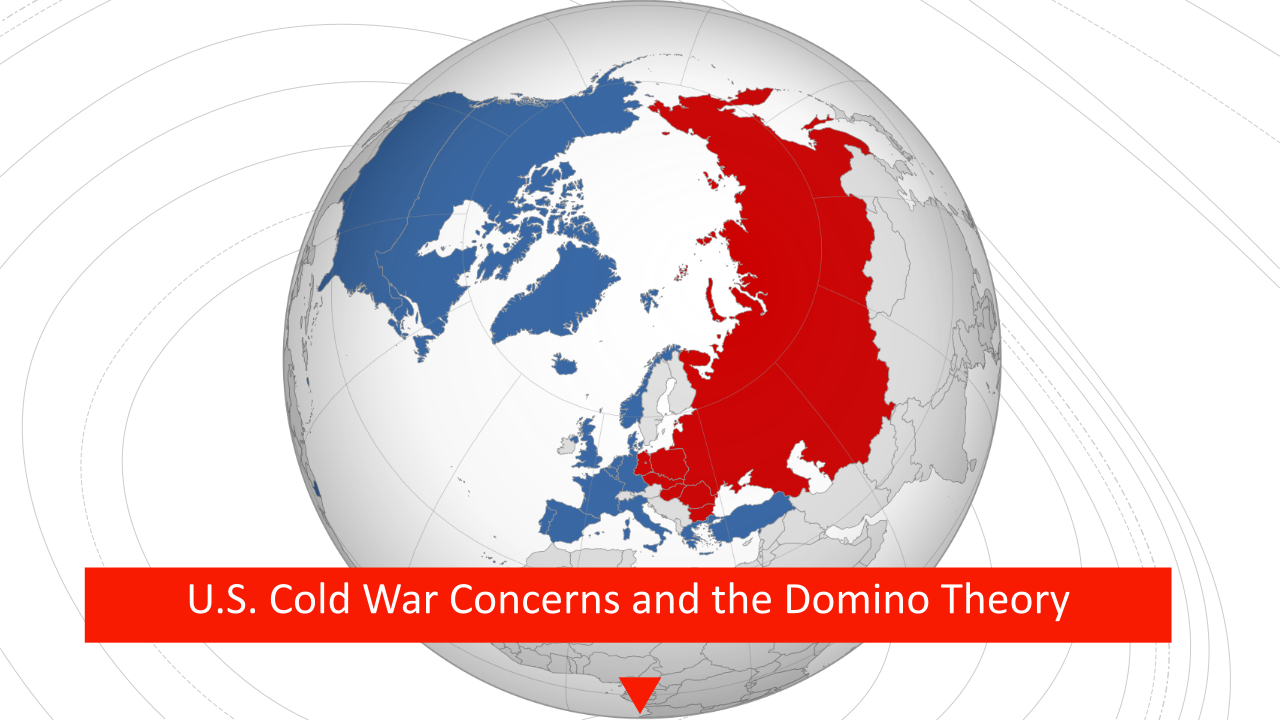


The Cold War
Potential Starter Questions
What was the Cold War?
How did the U.S. and USSR compete for influence in Latin America?
What is the difference between a democracy and a dictatorship?
The Overthrow
Memories of Santiago: watch 4:35-end
Two Narratives
Untold History (The Progressive Perspective):
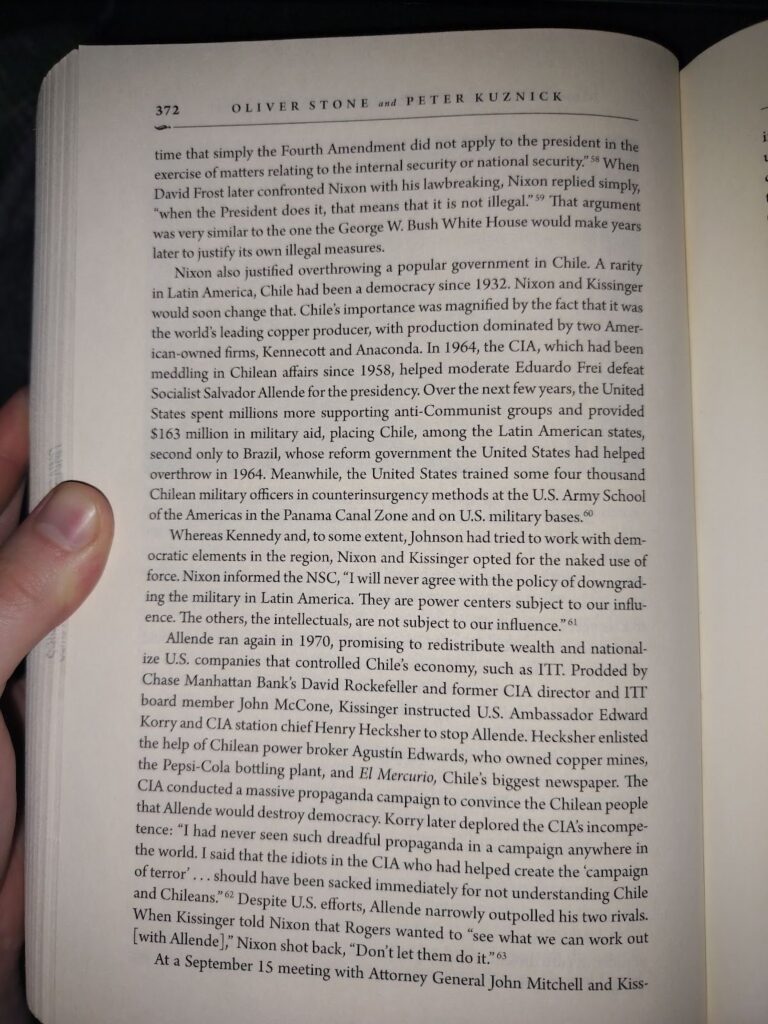
Focuses on the CIA's role in destabilizing the Allende government through economic pressure and support for opposition groups.
Highlights the democratic legitimacy of Allende's election and his social reforms aimed at reducing inequality.
Emphasizes the brutal human rights abuses of the Pinochet regime, including the Caravans of Death and the Operation Condor.
Views the coup as an act of American imperialism intended to protect corporate interests and prevent the spread of socialism.
Unhumans (The Counter-Revolutionary Perspective):
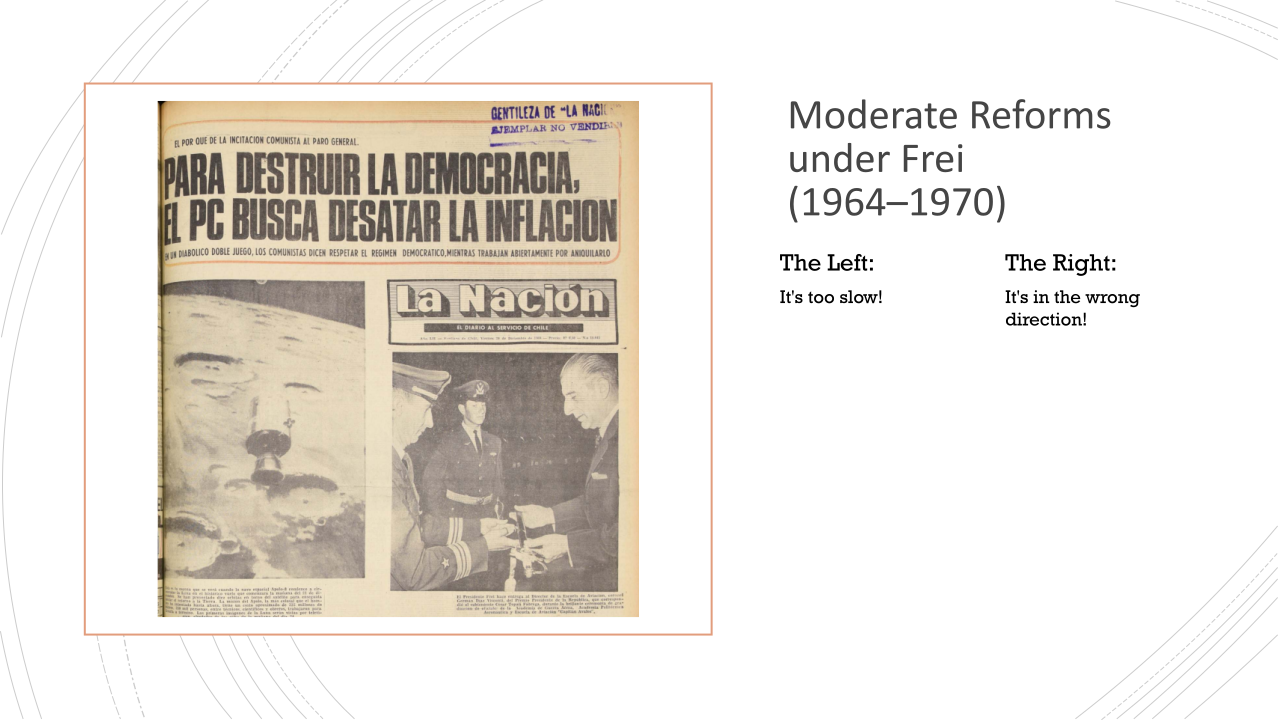
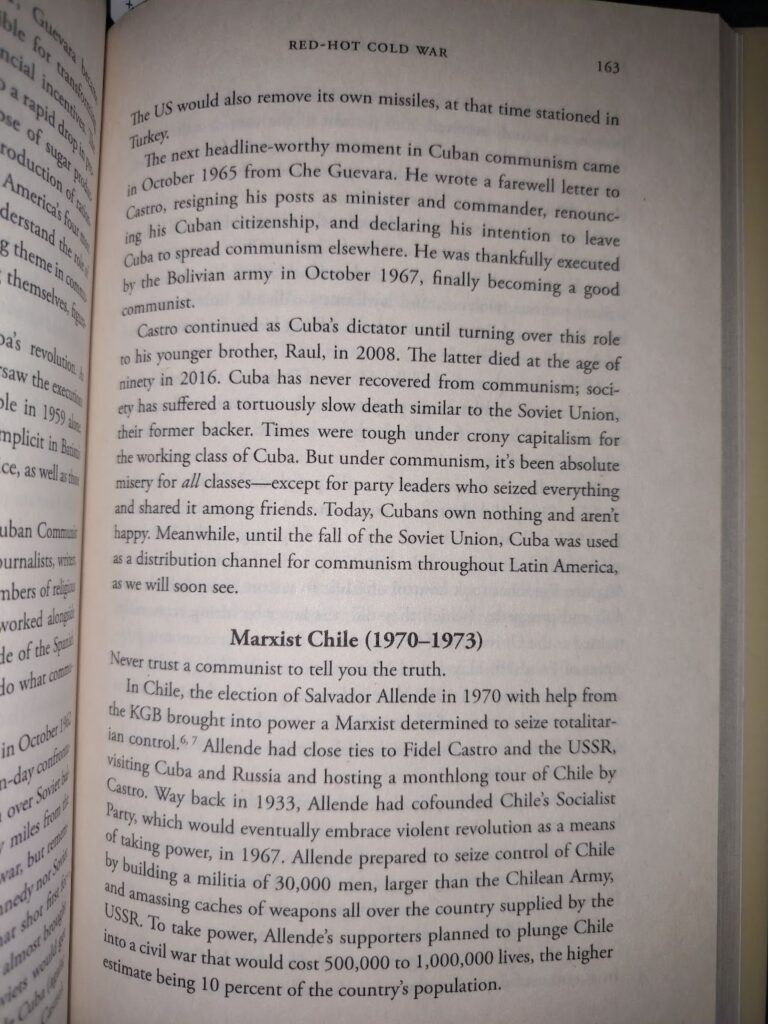
Argues that Allende was leading Chile toward a Soviet-aligned Marxist dictatorship and violating the constitution.
Highlights the severe economic chaos, hyperinflation, and food shortages caused by Allende's policies.
Views the military intervention as a necessary preventative action by the Chilean armed forces to save the country from civil war.
Emphasizes the economic 'Miracle of Chile' that followed, transforming the nation into a stable, market-oriented economy.
Exit Ticket
What current events have multiple competing narratives explaining them? How can we use the skills we have learned to understand these events?
© 2024 The History Education Foundation | Images from Wikimedia Commons
Support Our Historical Research
Help us continue providing high-quality resources for understanding key historical concepts.
Contact Us