U.S. Coups in the Cold War
The Hidden Hand of American Foreign Policy
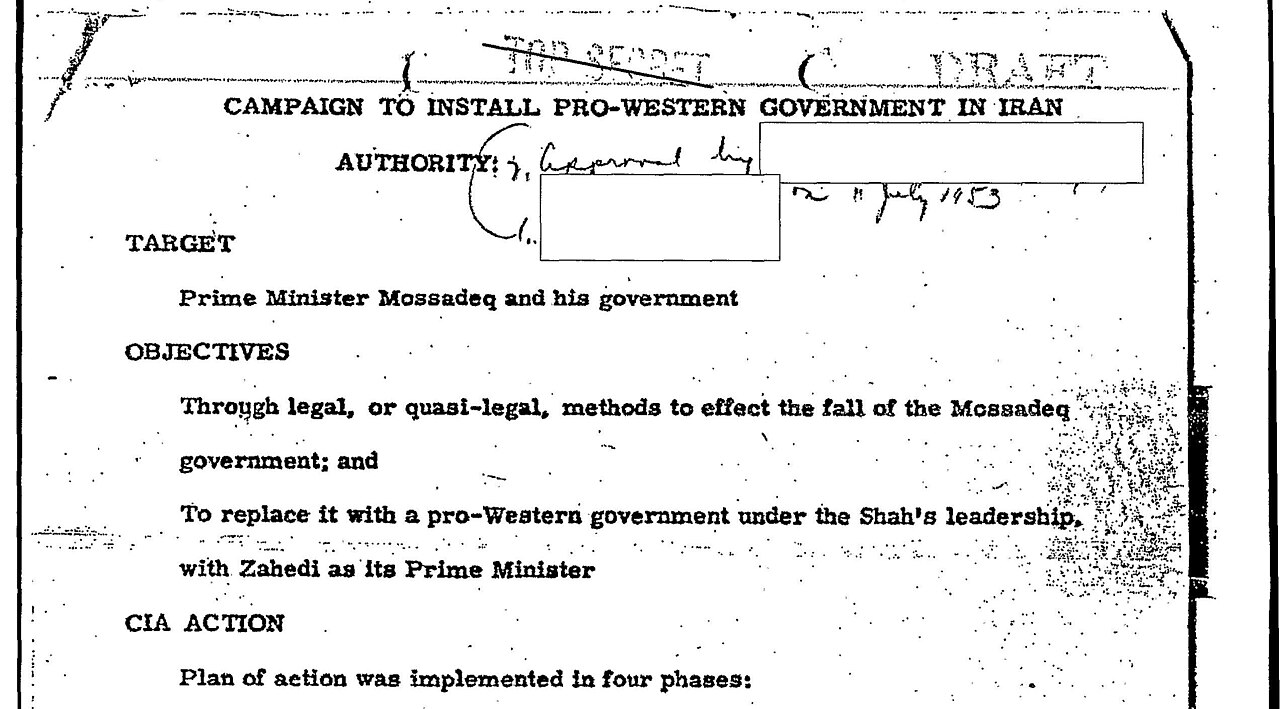
During the Cold War (1947–1991), the United States repeatedly intervened in the governments of other nations — sometimes through economic pressure, sometimes through covert operations, and sometimes through direct military action. While the stated goal was to contain the spread of communism, the actual result was often the overthrow of democratically elected leaders and their replacement with dictators who were friendly to U.S. interests. These operations were carried out by the CIA, often with minimal oversight and maximal secrecy. Some of the most well-documented cases include Iran (1953), Guatemala (1954), the Dominican Republic (1965), Chile (1973), and the funding of the Contras in Nicaragua throughout the 1980s. The debate over these interventions is not about whether they happened — the declassified documents prove they did. The controversy is about how they are framed in American education and public memory.
Major U.S.-Backed Regime Changes
- Iran (1953): The CIA orchestrated a coup that overthrew Iran's democratically elected Prime Minister Mohammad Mossadegh after he nationalized the oil industry. The U.S. installed the Shah, whose brutal regime lasted until the 1979 Iranian Revolution.
- Guatemala (1954): The CIA overthrew democratically elected President Jacobo Árbenz after he proposed land reforms that threatened the United Fruit Company's holdings. A decades-long civil war followed.
- Chile (1973): The U.S. funded opposition and created economic chaos to destabilize President Salvador Allende. After his overthrow by General Pinochet, the U.S. backed a dictatorship that killed thousands.
- Nicaragua (1980s): The Reagan administration funded the Contras — a rebel group accused of human rights abuses — to overthrow the leftist Sandinista government, even after Congress banned such funding (the Iran-Contra Affair).
“I don't see why we need to stand by and watch a country go communist due to the irresponsibility of its own people.”
Henry Kissinger (on Chile)
Understanding the Context
Cold War Rationale
Each intervention was justified as necessary to prevent the spread of Soviet influence — the 'domino theory' held that if one country fell to communism, its neighbors would follow.
Economic Interests
In several cases (Iran, Guatemala), the coup was driven more by corporate interests than by genuine security concerns. Oil, bananas, and copper were powerful motivators.
The Democracy Paradox
The U.S. claimed to be fighting for freedom abroad, yet repeatedly overthrew democratic governments and replaced them with dictators.
Why Is This Controversial?
The Long Shadow
The legacy of these interventions is still unfolding. Iran's 1979 revolution was in part a reaction to the 1953 coup. Guatemala's civil war killed over 200,000 people. Chile's dictatorship left deep scars. The debate over whether the United States should intervene in other countries' governments continues to this day — and understanding this history is essential to having an informed opinion about it.
Classroom Inquiry: Essential Questions
© 2024 7th Grade Digital Literacy Class | Images from Wikimedia Commons
Support Our Historical Research
Help us continue providing high-quality resources for understanding complex historical narratives.
Contact Us