Jim Crow & Southern Racism
What Was Jim Crow?
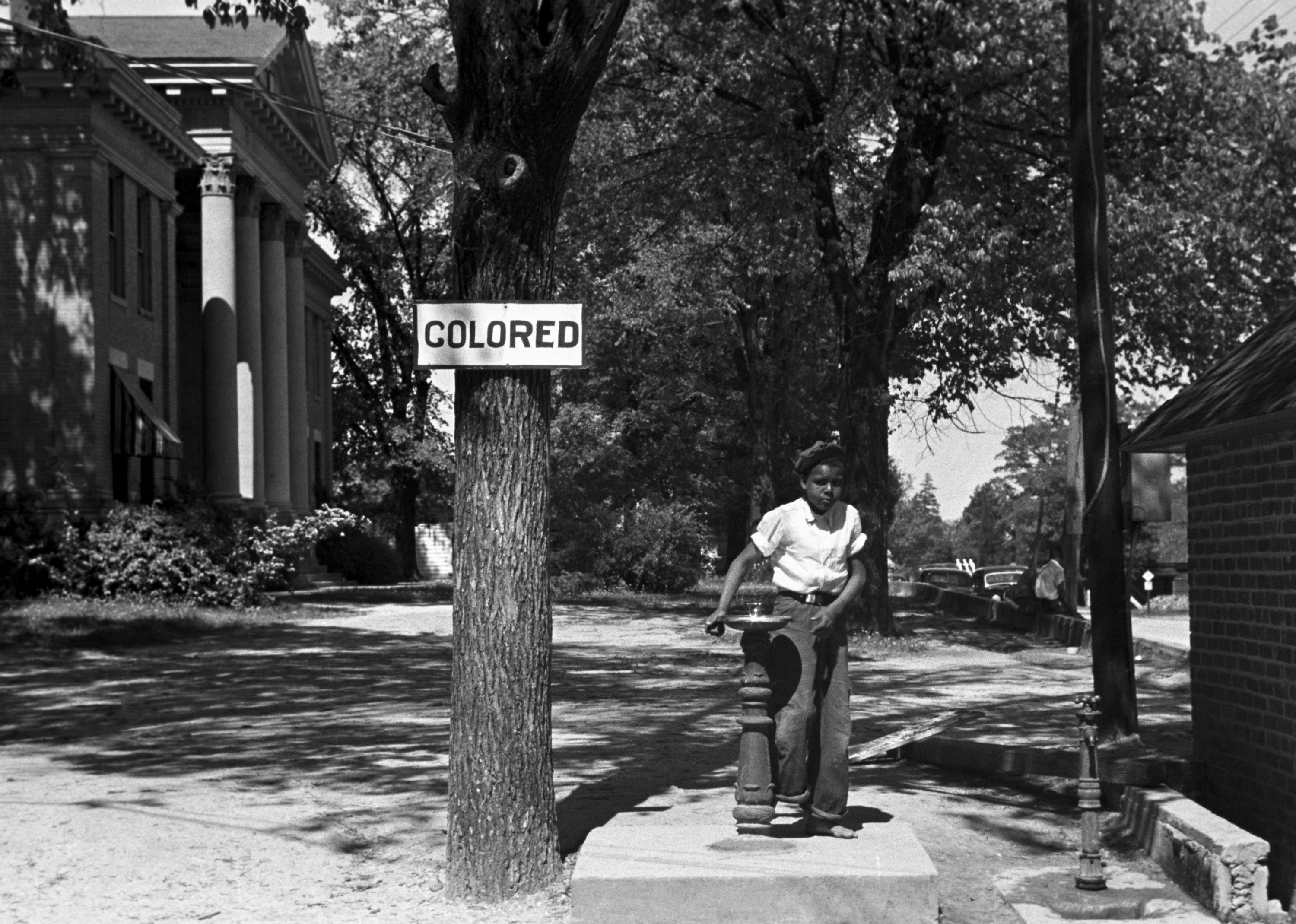
Jim Crow was not a single law or event — it was a comprehensive system of racial segregation and discrimination that governed the American South from the end of Reconstruction in the 1870s until the Civil Rights Movement of the 1960s. The name comes from a 19th-century minstrel show character, but the reality was anything but theatrical. Under Jim Crow, Southern states passed laws that separated Black and white people in nearly every aspect of public life: schools, restaurants, buses, trains, theaters, restrooms, and water fountains. These laws were enforced not just by police, but by the constant threat of violence — including lynchings, beatings, and the systematic terror of the Ku Klux Klan. The Supreme Court's 1896 decision in Plessy v. Ferguson, which established the 'separate but equal' doctrine, gave constitutional cover to this system. In practice, the facilities and resources provided for Black Americans were almost never equal — they were deliberately inferior. The system also stripped Black citizens of voting rights through literacy tests, poll taxes, and grandfather clauses, effectively excluding them from democratic participation for generations.
The Machinery of Oppression
- Segregation Laws: Legal codes that separated Black and white people in all public spaces — enforced by police, courts, and paramilitary violence.
- Disfranchisement: Poll taxes, literacy tests, and intimidation that prevented Black Americans from voting for nearly a century.
- Economic Exploitation: Sharecropping, debt peonage, and discriminatory hiring kept Black communities in cycles of poverty.
- Violent Enforcement: Lynchings, race riots, and the KKK operated as a shadow government that maintained white supremacy through terror.
“The problem of the twentieth century is the problem of the color line.”
W.E.B. Du Bois
Key Themes
The 'Separate but Equal' Fiction
Plessy v. Ferguson (1896) claimed that segregated facilities were constitutional as long as they were equal — in reality, Black facilities were almost always dramatically worse.
The Lost Cause Myth
After the Civil War, many Southerners promoted a romanticized version of the Confederacy that erased the brutality of slavery and framed Reconstruction as a 'tragic' period of Northern overreach.
Resistance & Resilience
Despite overwhelming odds, Black communities built schools, churches, businesses, and political movements that eventually dismantled Jim Crow.
The Controversy — Teaching About Racism
Legacy & Modern Relevance
Jim Crow was formally ended by the Civil Rights Act of 1964 and the Voting Rights Act of 1965, but its effects did not disappear. The neighborhoods, schools, and economic disparities shaped by decades of segregation continue to influence American life today. The debate over how to teach this history — honestly and fully — remains one of the most charged topics in American education.
Classroom Inquiry: Essential Questions
© 2024 7th Grade Digital Literacy Class | Images from Wikimedia Commons
Support Our Historical Research
Help us continue providing high-quality resources for understanding complex historical narratives.
Contact Us