Chile in the Cold War
Starter Questions
- What was the Cold War?
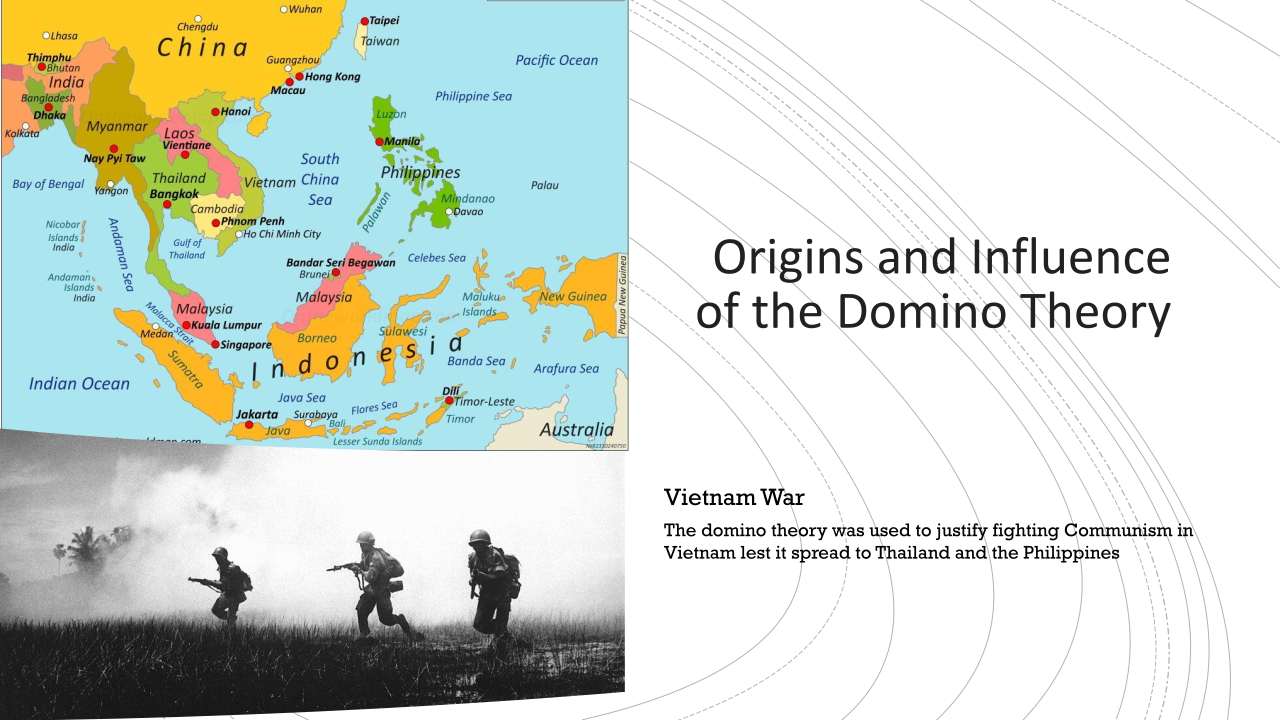
- Where is Chile, and why was the US interested in its government being Socialist?
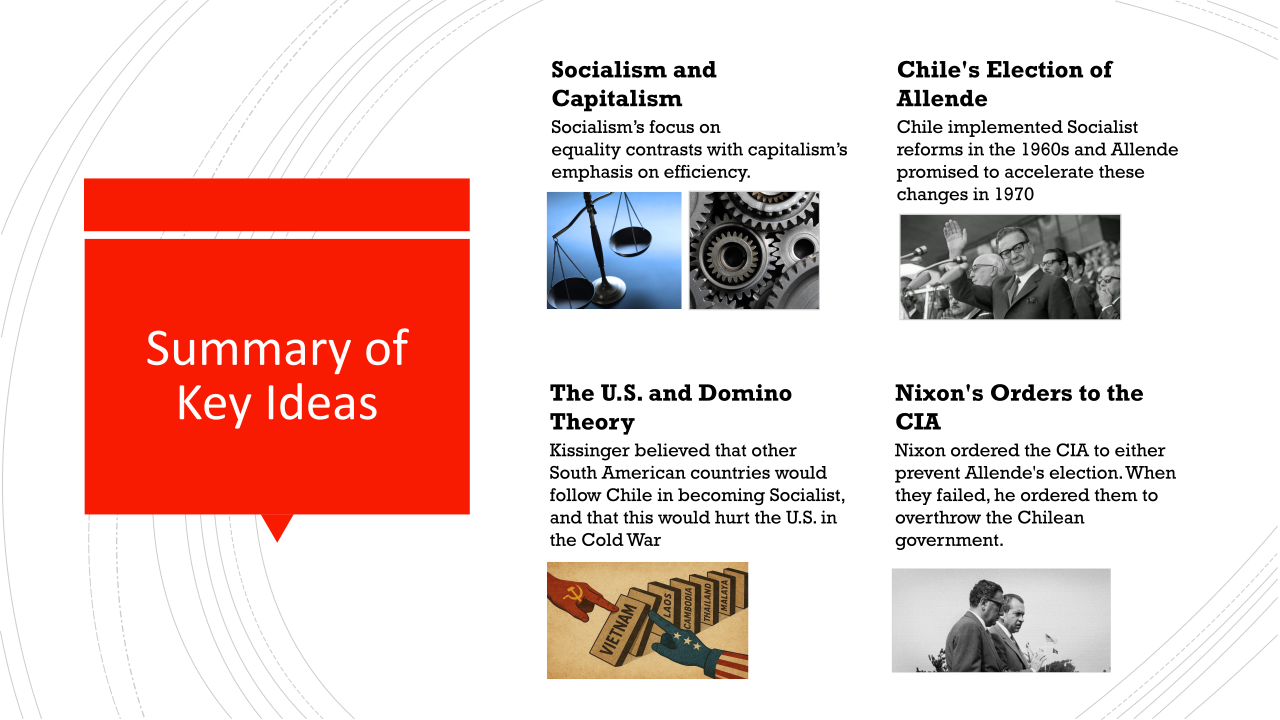
- What’s the difference between Capitalism and Socialism?
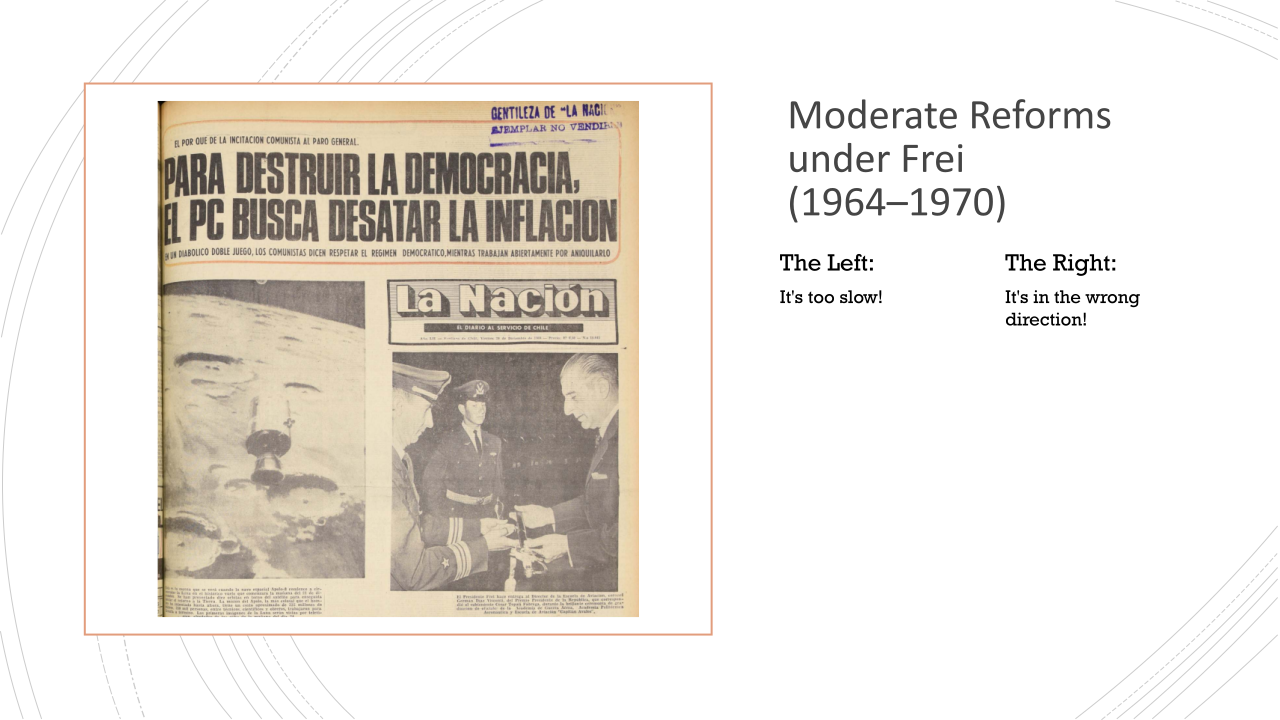
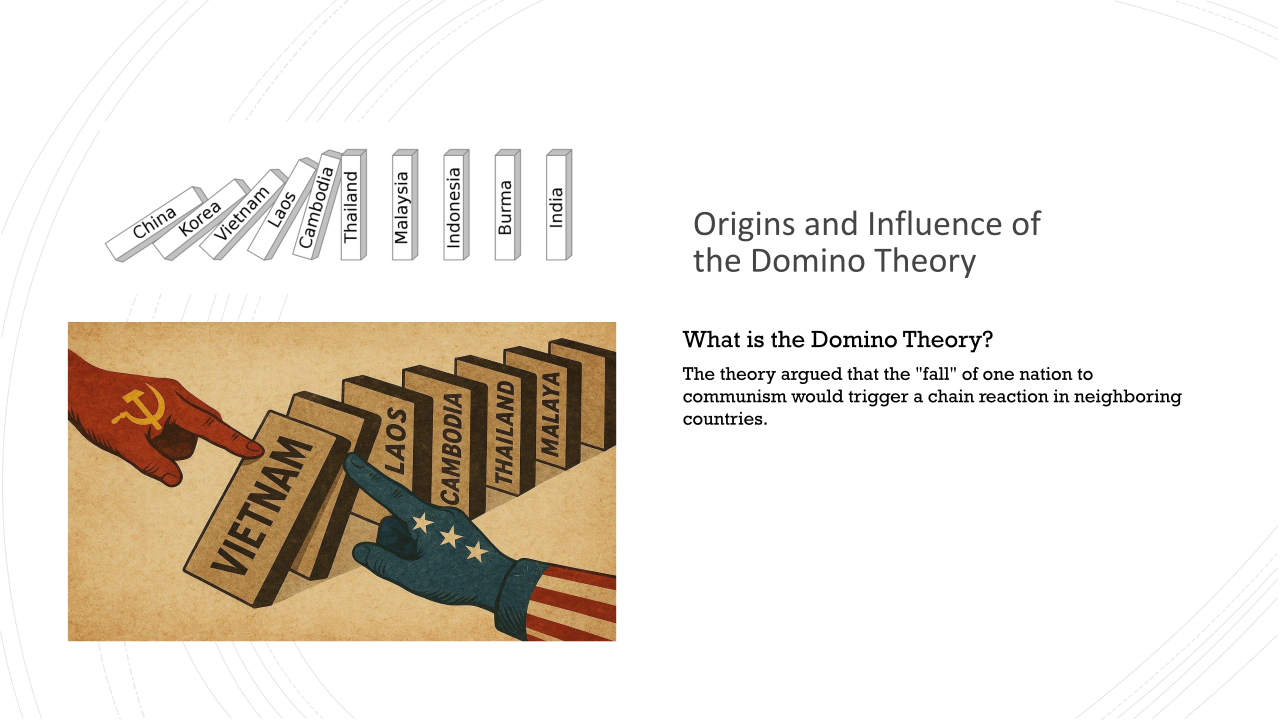
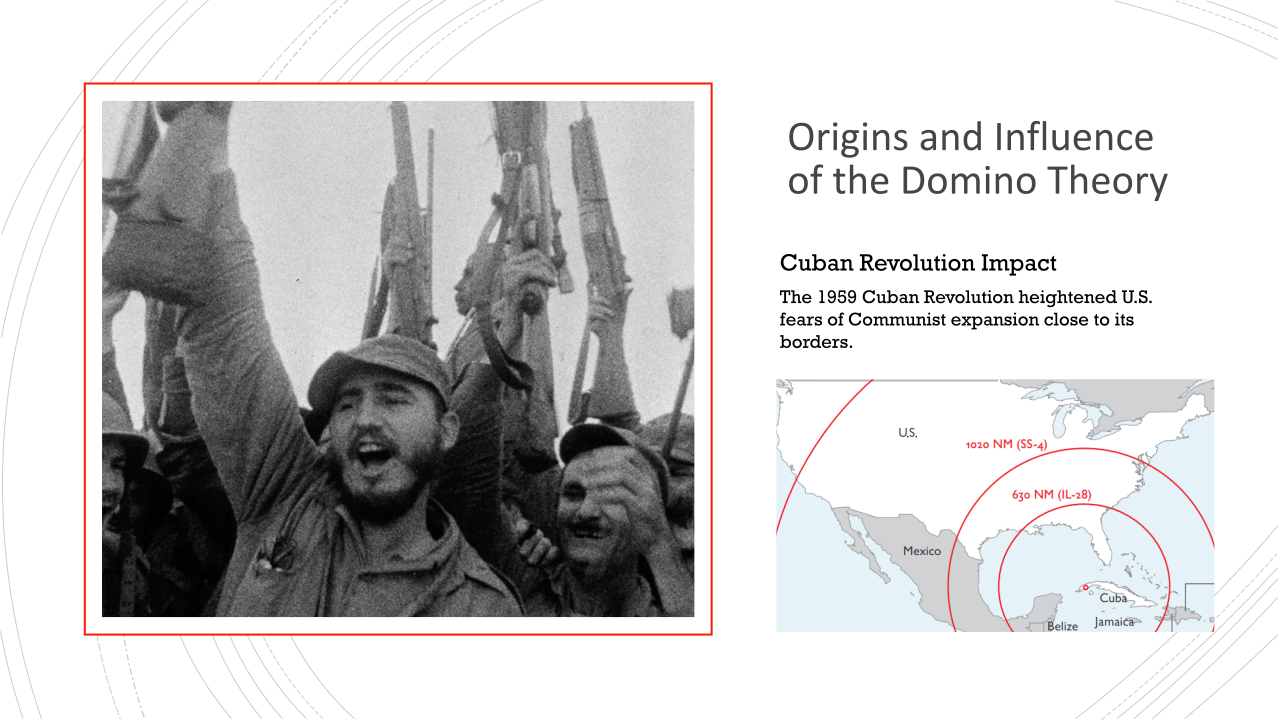
- How were Communist leaders portrayed by the US?
- How does framing and information change how you view historical events?
Activities
What was the Cold War?
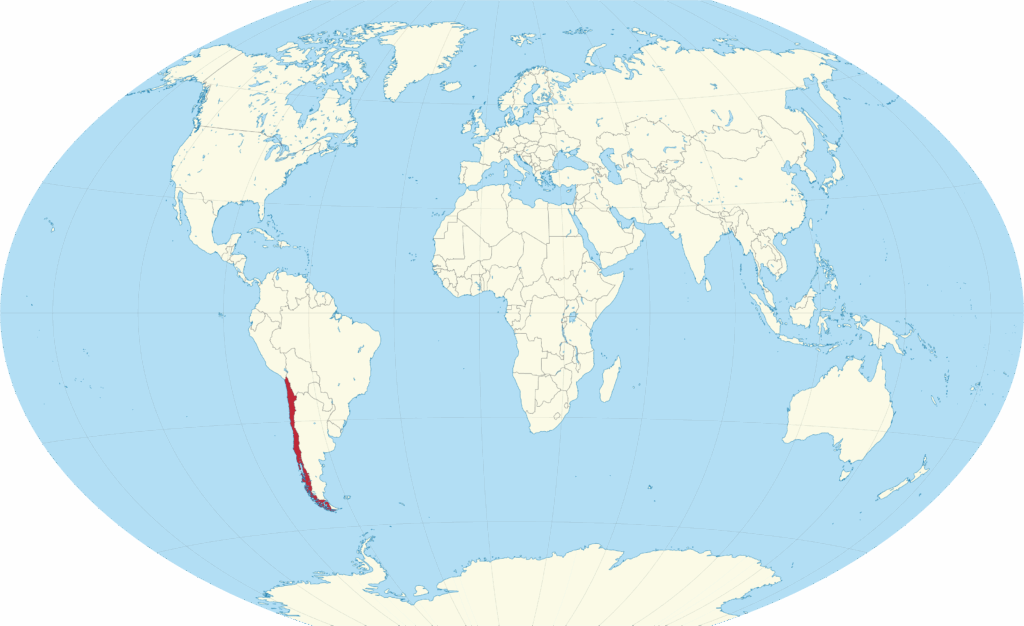
Where is Chile?
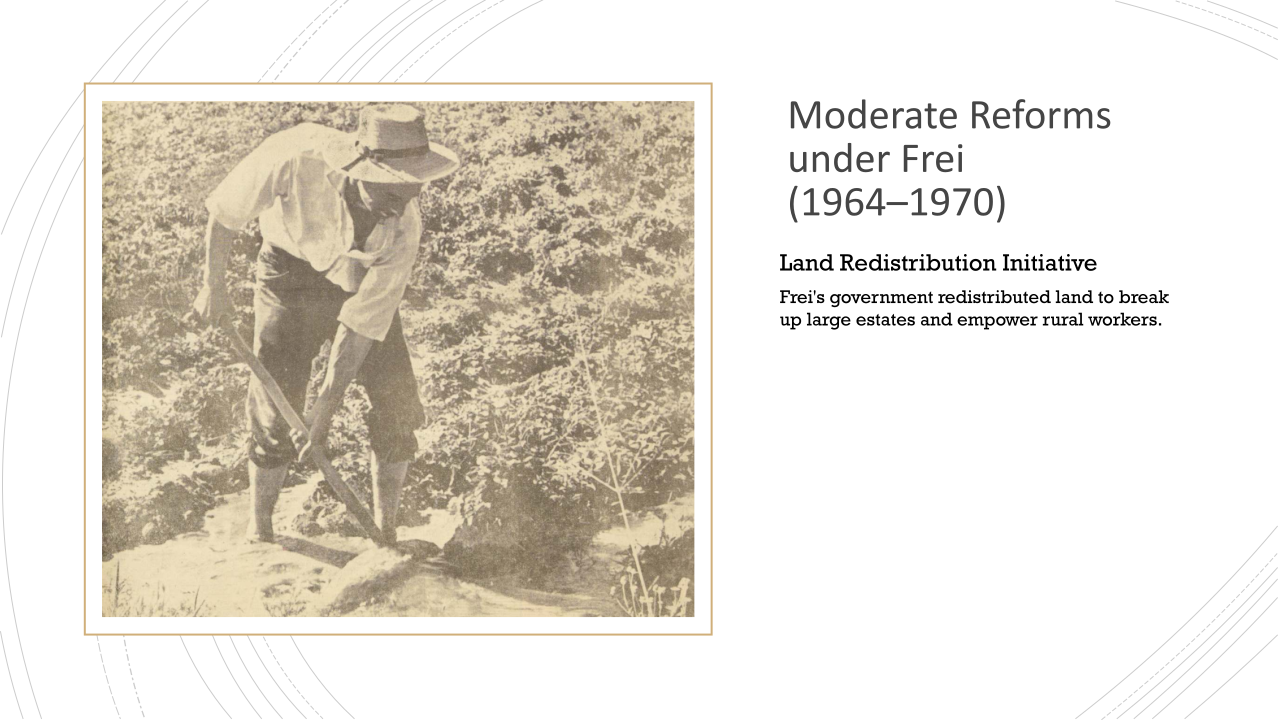
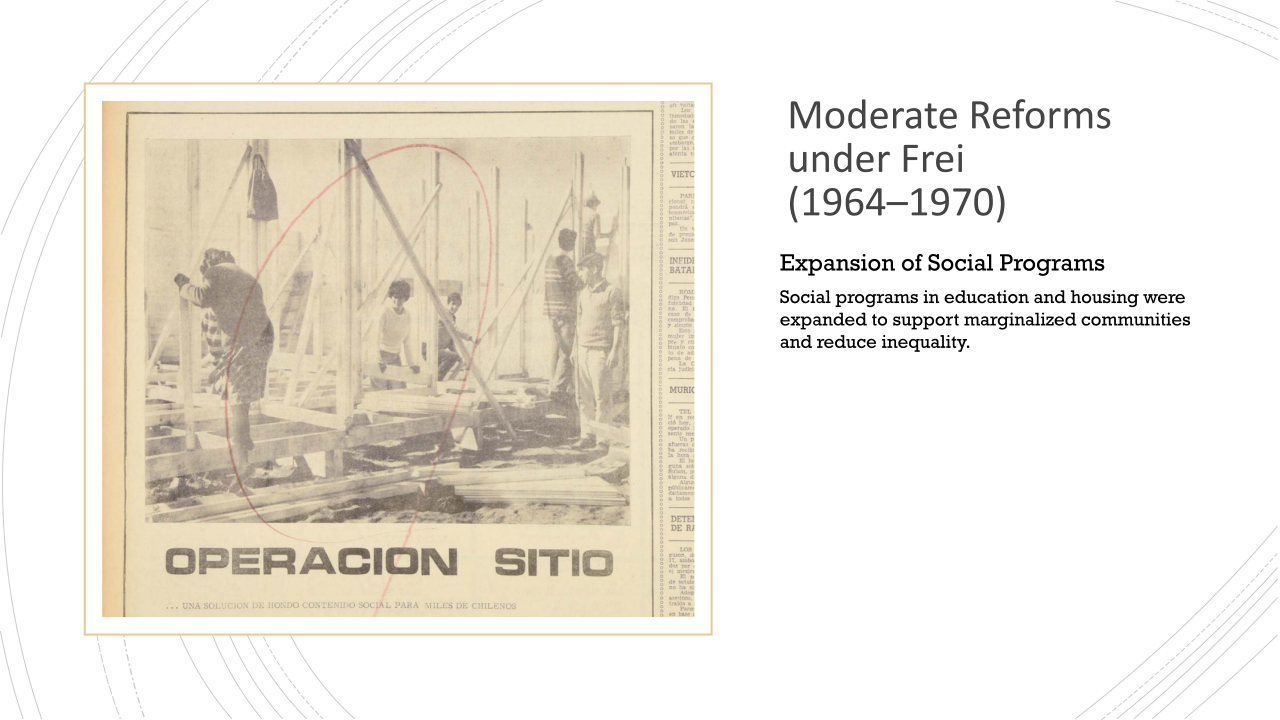
What was Chile like in the 1960s?
Memories of Santiago: watch 4:35-end








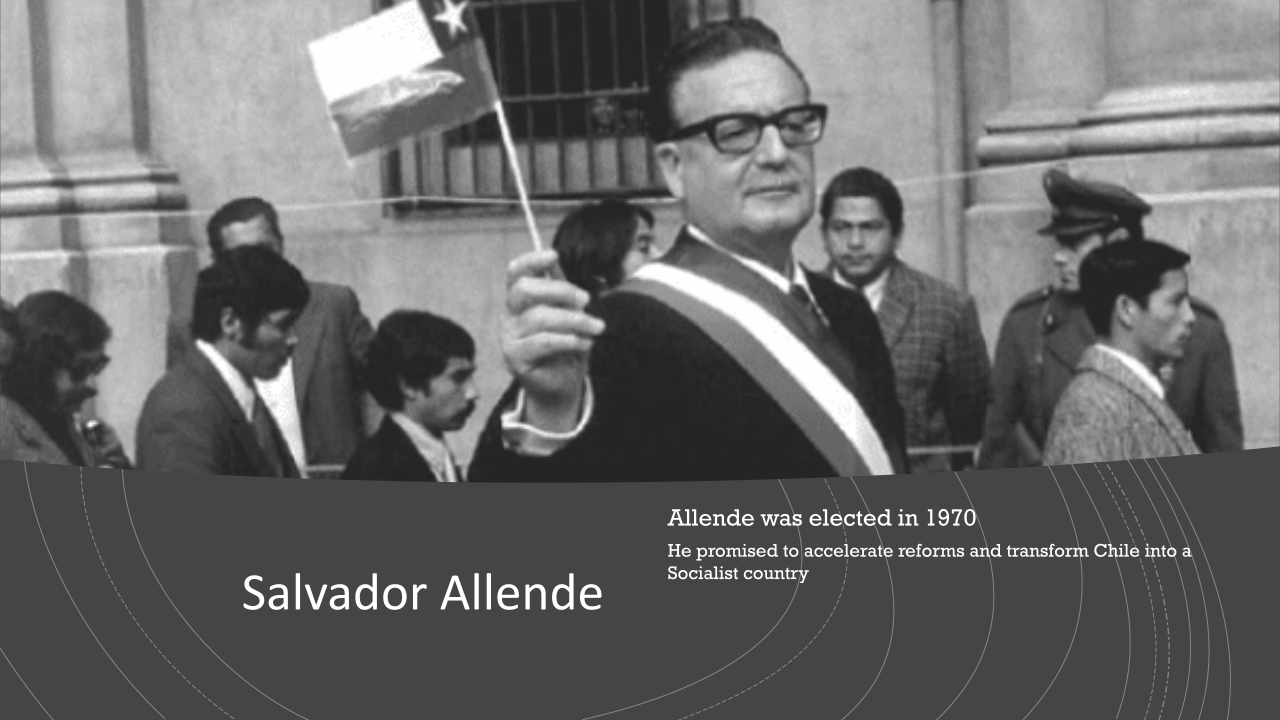
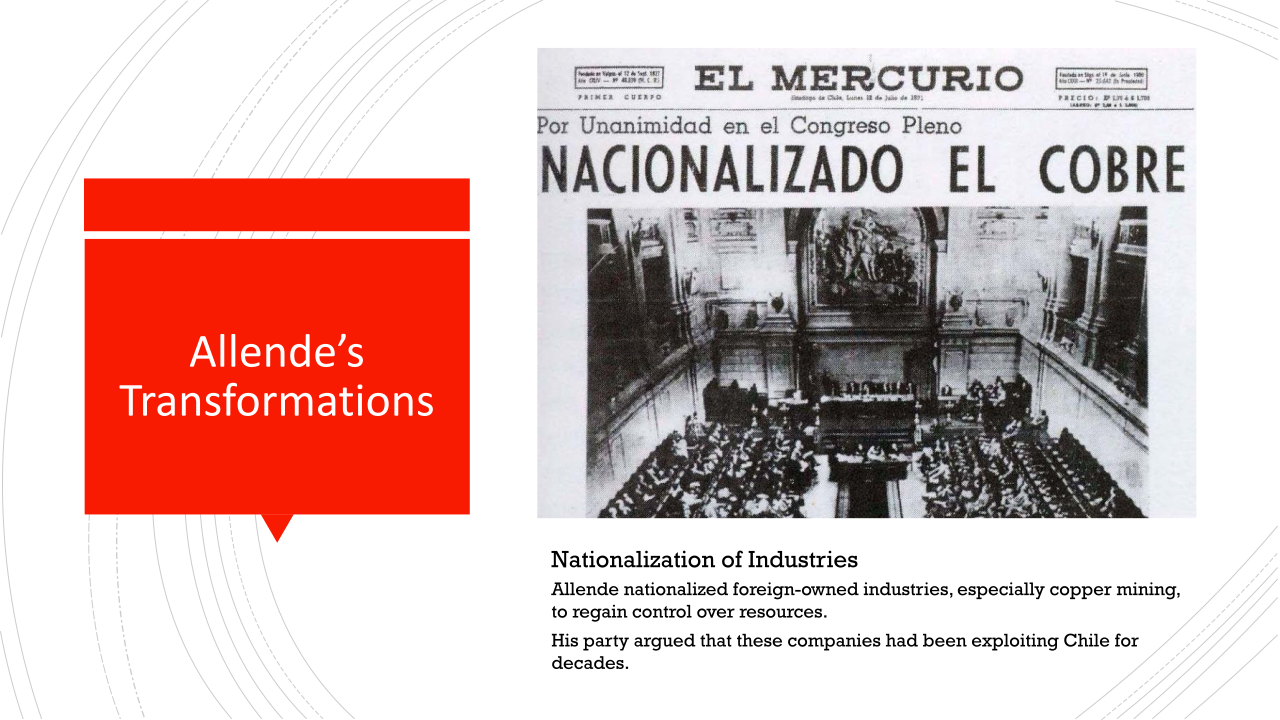

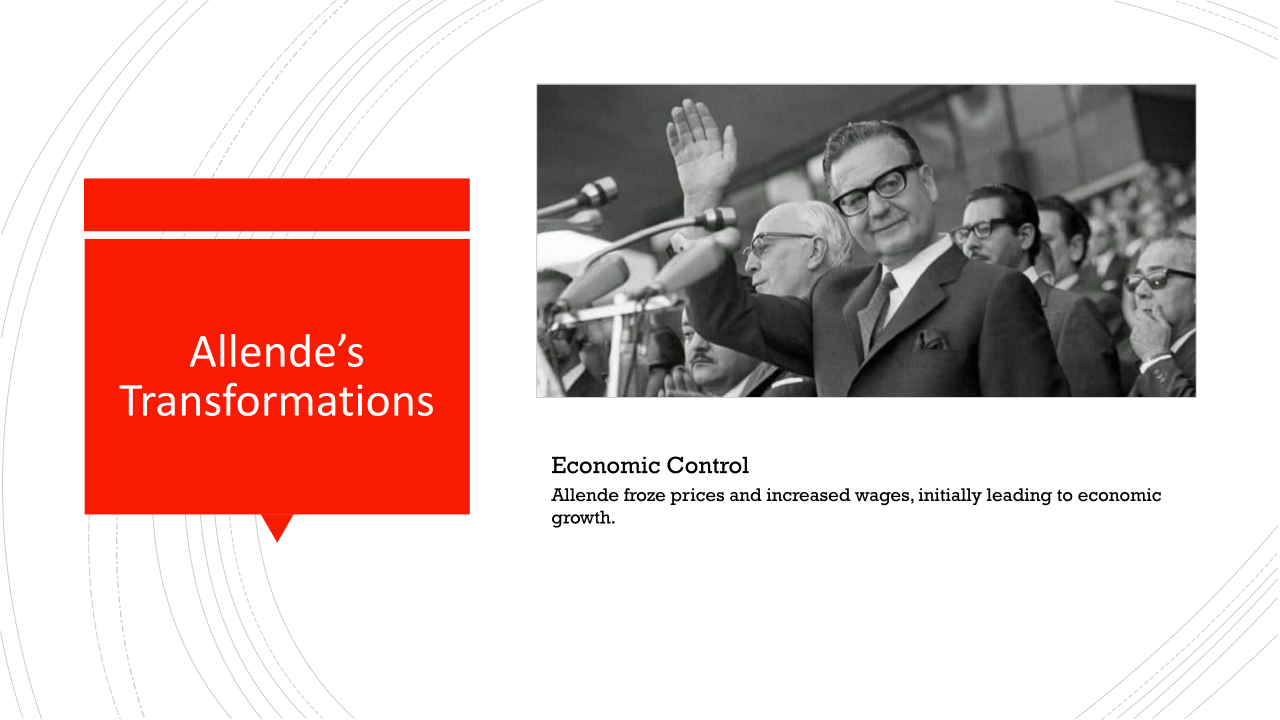


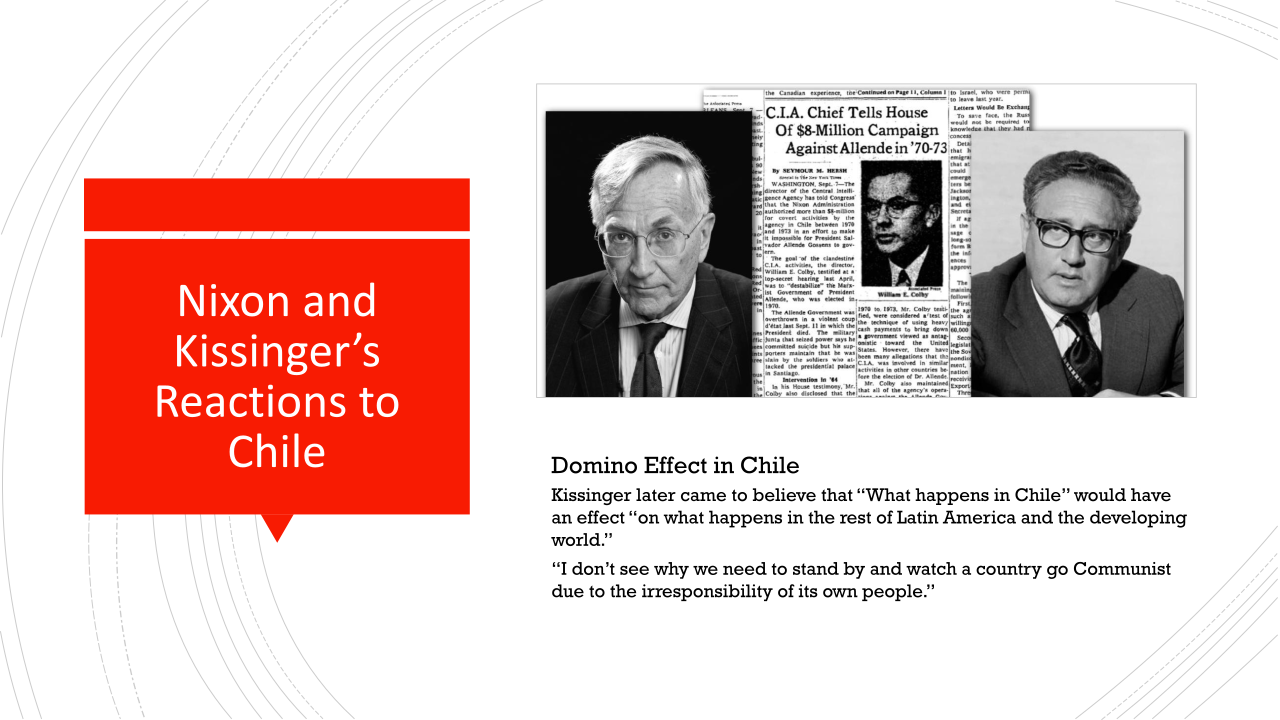
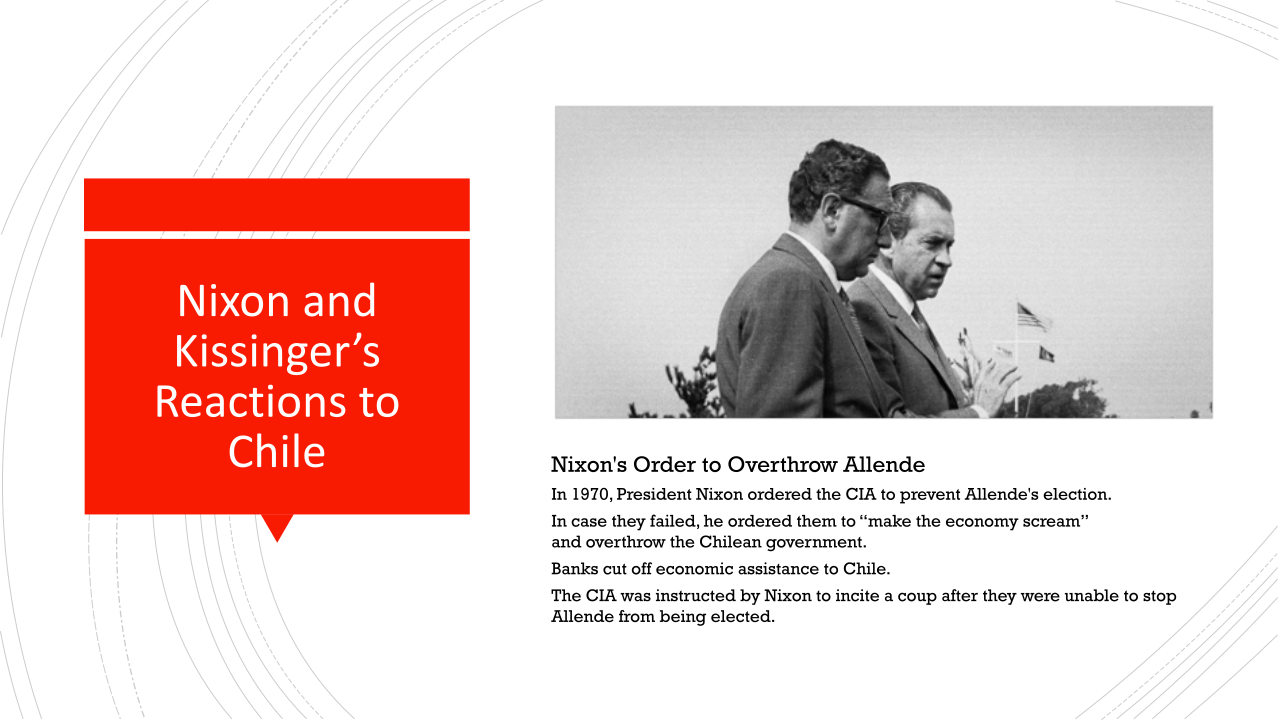
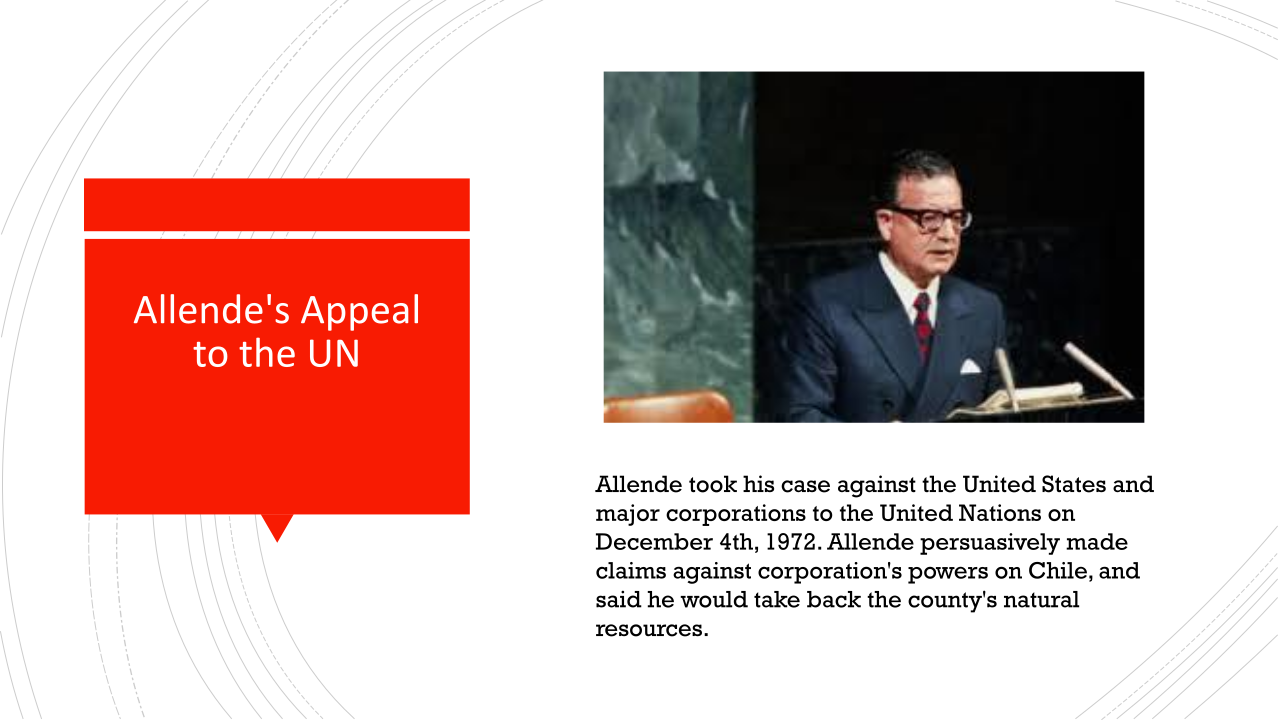
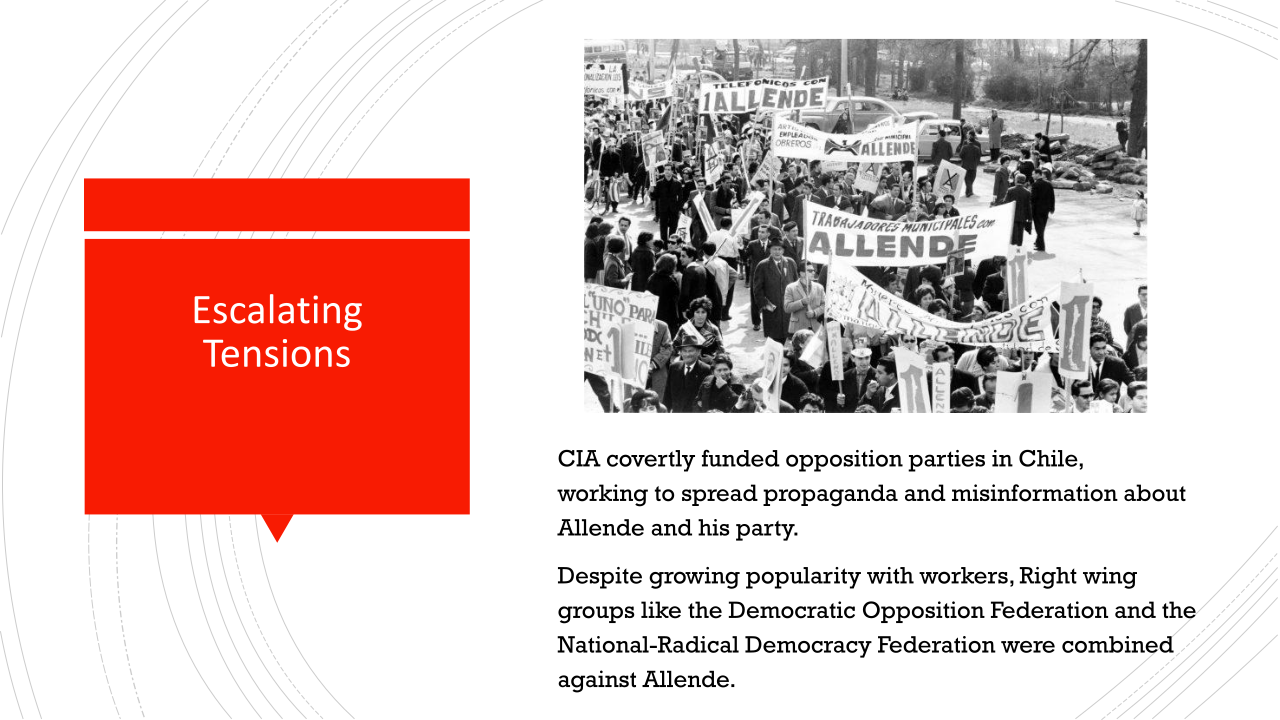
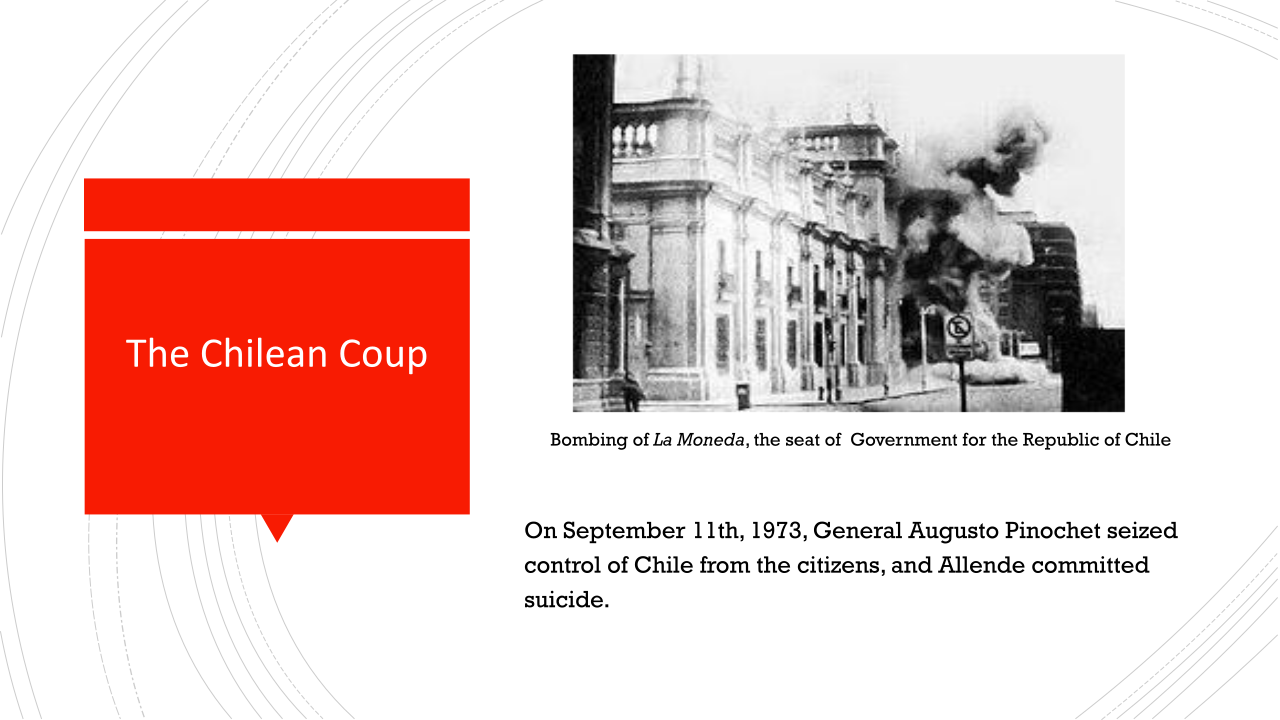
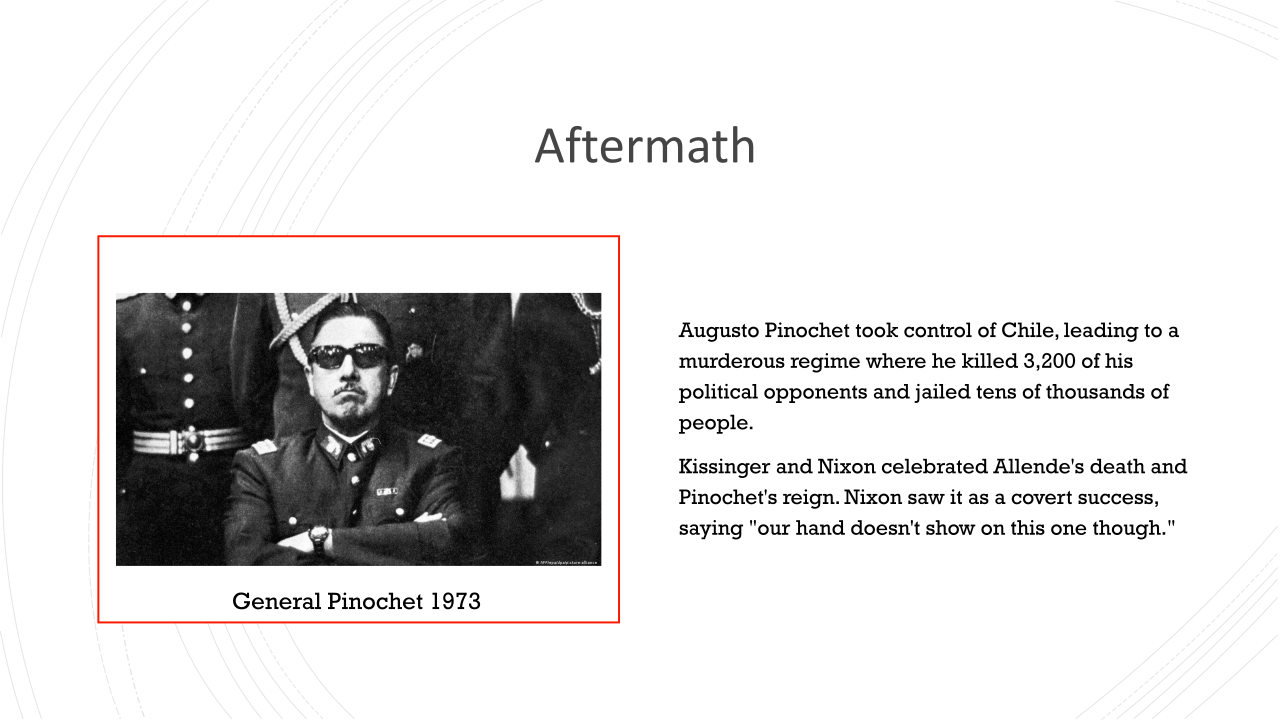
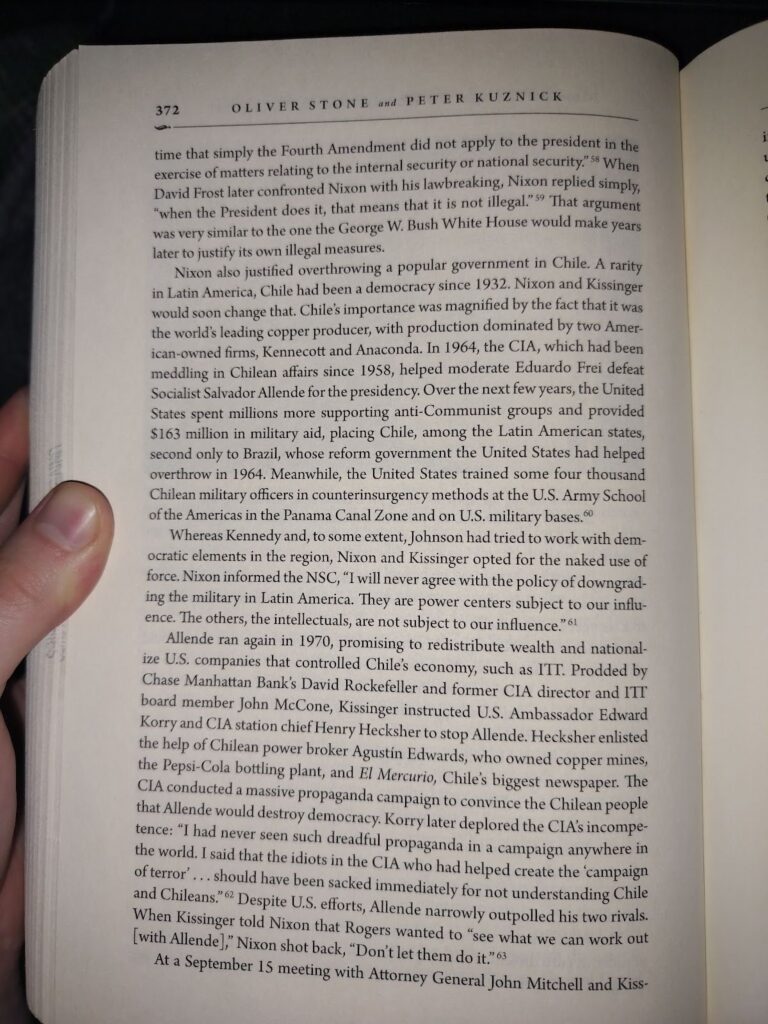
Excerpt from The Untold History of the United States:
Excerpt from Unhumans: The Secret History of Communist Revolutions (and How to Crush Them):
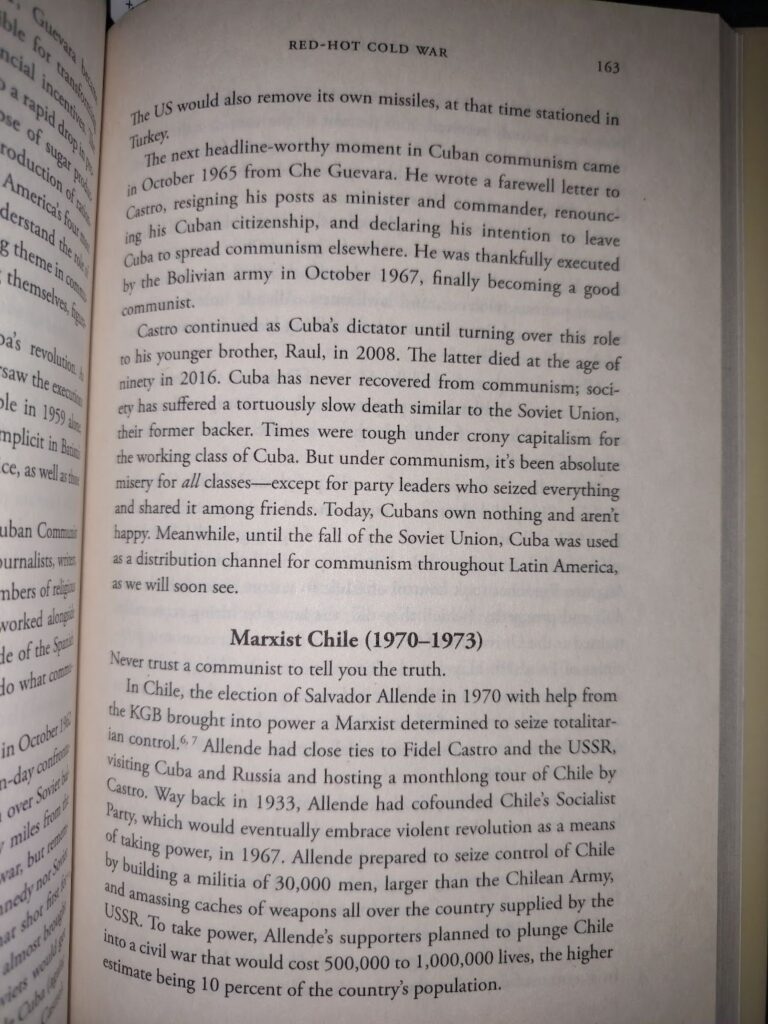
How do Untold History and Unhumans compare?
- Unhumans has more of an agenda
- The introduction to Unhumans explains, “This is not a book about communist ideology. You’ve read those. This is a book about the communist reality—and how to tell when it’s coming to a society near you… They don’t believe what they say. They don’t care about winning debates. They don’t even want equality. They just want an excuse to destroy everything. They want an excuse to destroy you. This is what they do. And this book is how we stop them.”
- In contrast, Untold History’s overall chapter presents a fairly balanced view of Nixon: though it strongly criticizes his actions in Vietnam, Cambodia, and Chile, it also praises him for achieving detante with the Soviet Union and creating many beneficial programs in the US.
- The introduction to Untold History explains, “We don’t try to tell all of U.S. history. That would be an impossible task. We don’t focus extensively on many of the things the United States has done right. There are libraries full of books dedicated to that purpose and school curricula that trumpet U.S. achievements. We are more concerned with focusing a spotlight on what the United States has done wrong—the ways in which we believe the country has betrayed its mission—with the faith that there is still time to correct those errors as we move forward into the twenty-first century.”
- Untold History cites more sources and is full of quotes. It has about one source per paragraph (30 total), while Unhumans has only one source for every three paragraphs (5 total) and has just one quote.
- Untold History uses more trustworthy sources, including CIA records, Time, and The New York Times. It also cites more balanced books, such as The Cold War by OA Westad, in addition to more opinionated books like Overthrow and Legacy of Ashes. In contrast, Unhumans uses questionable sources such as the Mitrokhin Archive (which has been criticized as relying on a single witness, with no original or photocopied documents) and The White Book of the Change of Government in Chile (which has been proven to include fabricated information for propaganda purposes).
- Unhumans says a lot of misleading or false things
- It says Allende wanted to take over by force and lists some hypothetical statistics about how many people could have been killed, while talk of using force actually came from other parts of the party
- It makes it sound like Allende cheated by getting the parliament to elect him without a majority, but this was the intended mechanism of the law, and his political opponents had been elected by this process in earlier yeras
- It makes it sound like Allende was just as bad as Pinochet when it came to human rights
- Unhumans leaves out the CIA’s role in trying to prevent his election and then causing civil unrest (which Unhumans blames on Allende) and then ordering the coup (to be fair, Untold History leaves out the Communist party’s support of Allende in the election)
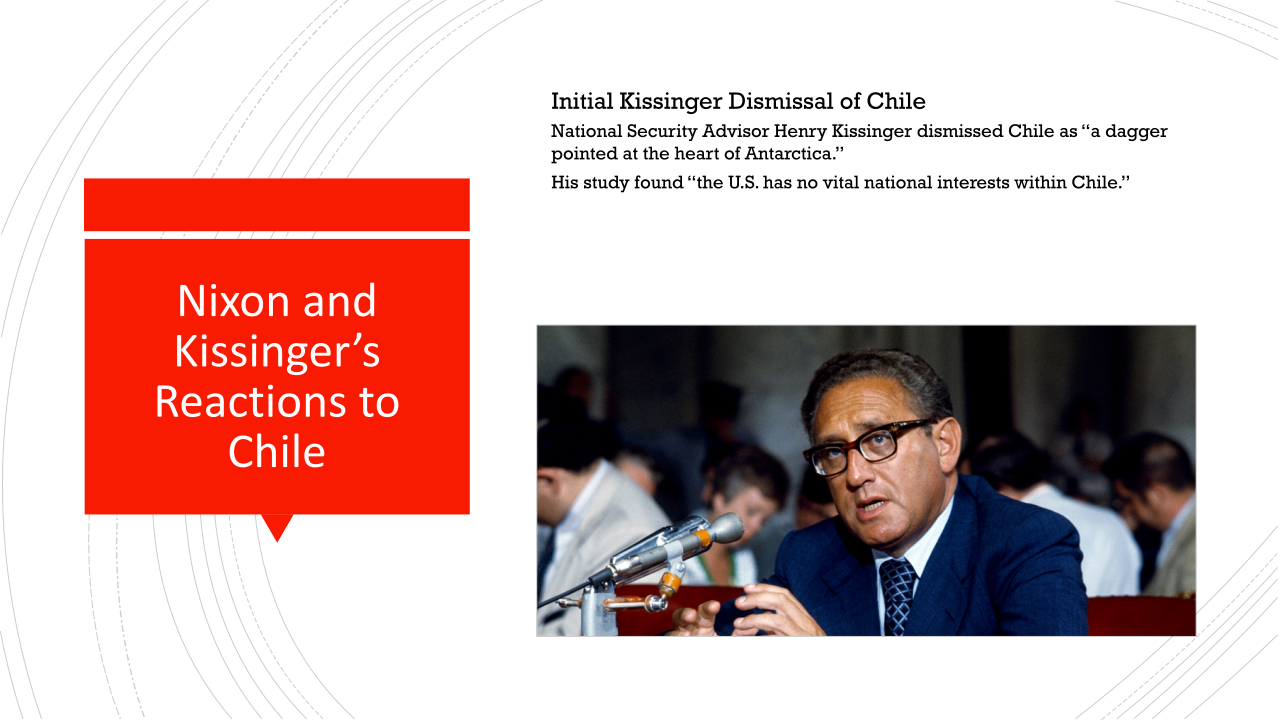
- Untold History covers disagreements between Nixon, Kissinger, other staff, and different parts of the American public, showing that no side is in alignment. Unhumans treats it as a black-and-white fight between evil Communism and good Capitalism/Democracy.
Exit Question
- What current events have multiple competing narratives explaining them? How can we use the skills we have learned to understand these events?